Scholarly articles and book chapters published in the international journals and books are not easily accessible to the general researchers in Nepal due to high subscription costs even though some of those were written by Nepali authors.
Research papers and presentations presented in seminars and conferences by Nepalese scholars do not get published and/or archived.
A lot of research output is generated by or for use by development organisations, especially multilateral institutions and a few large government and non-government organisations. These reports are not widely disseminated when their nature and usefulness to other researchers and practitioners is very high.
Researchers in developing countries like Nepal will be benefitted from Open Access. They can publish their work in an Open Access media or can archive it in Open Access digital repository.
There was no system of central digital repository in Nepal to make research work accessible to the public.
Nepal Library and Information Consortium (NeLIC) with support from EIFL established the Central Open Access Repository in Nepal in 2012.
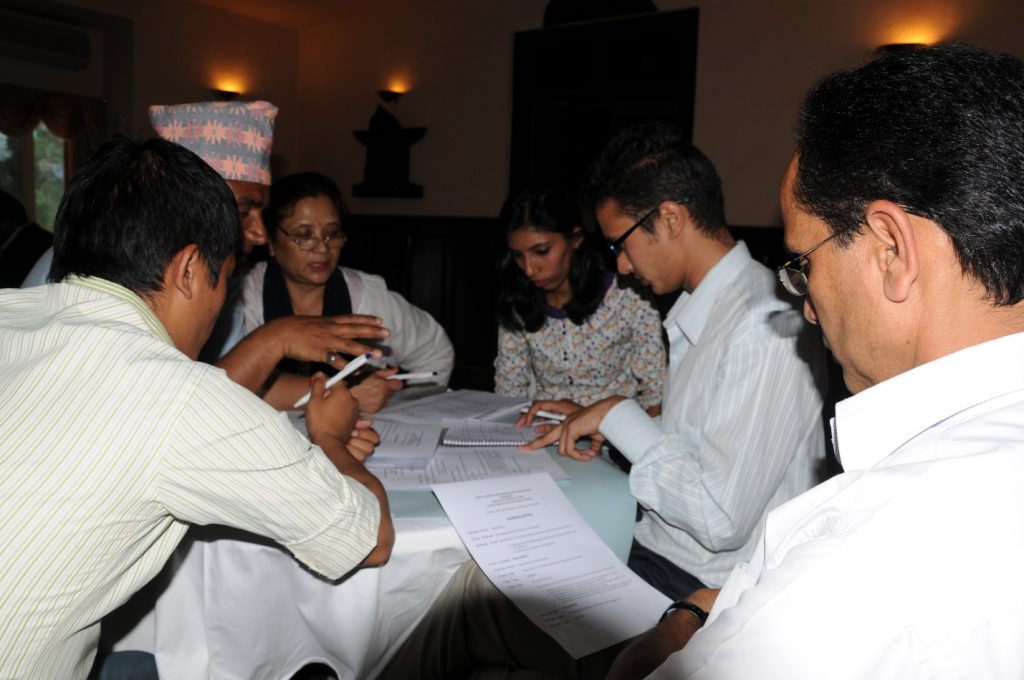
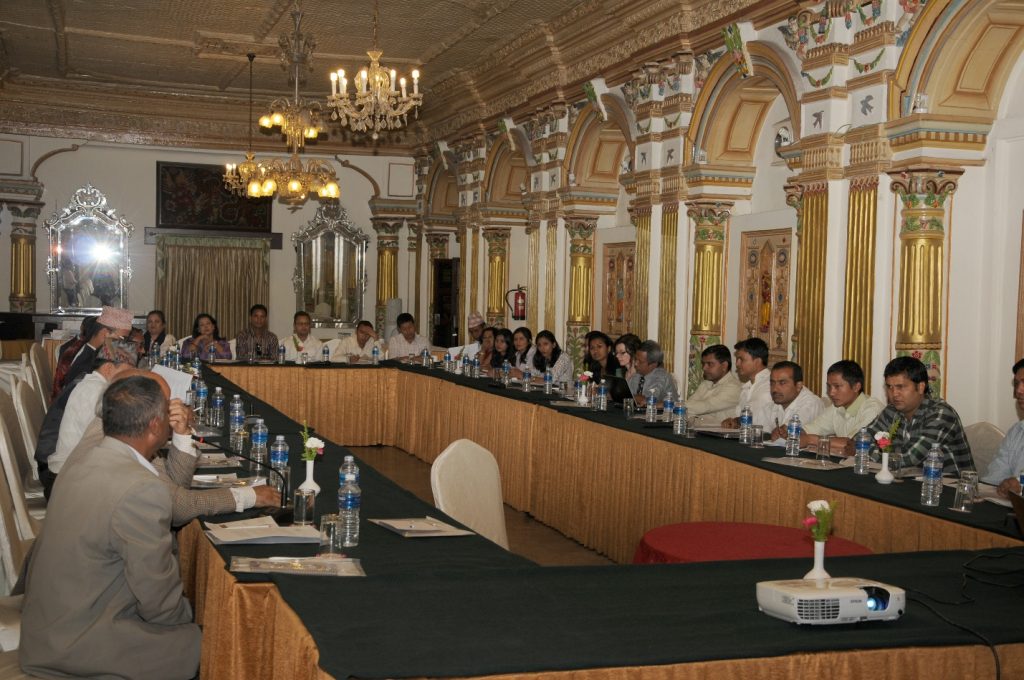
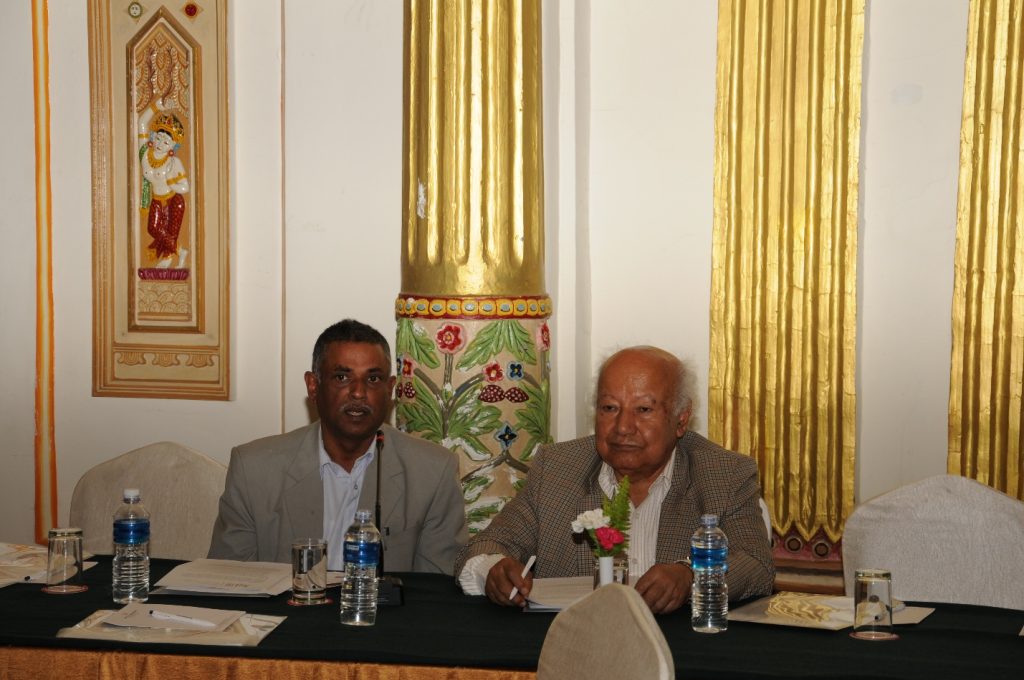
Nepal Library and Information Consortium (NeLIC, organised a workshop with support from EIFL for the advocacy of Open Access in Nepal on 16 May 2013. The objective of the workshop was to make researchers aware of the recently established Central Open Access Repository and to promote its use. The programme was conducted in presence of Janardan Dhungana, the then Chairman of NeLIC and prof. dr. Vidya Bir Shing Kansakar was the chief guest who contributed to the repository by providing his entire scholar works. Researchers, university teachers, students, librarians, policy makers and government representatives in Nepal participated in this workshop.
This digital repository was the first of this kind in Nepal where individual authors or institutions can deposit their academic work including books, journal articles, theses, conference papers at a single platform for free and anyone interested could access that collection openly.
Currently this repository is offline, but NeLIC is planning to renovate it by collaborating with like-minded institutions.